22 October, 2026 | 4:58 AM


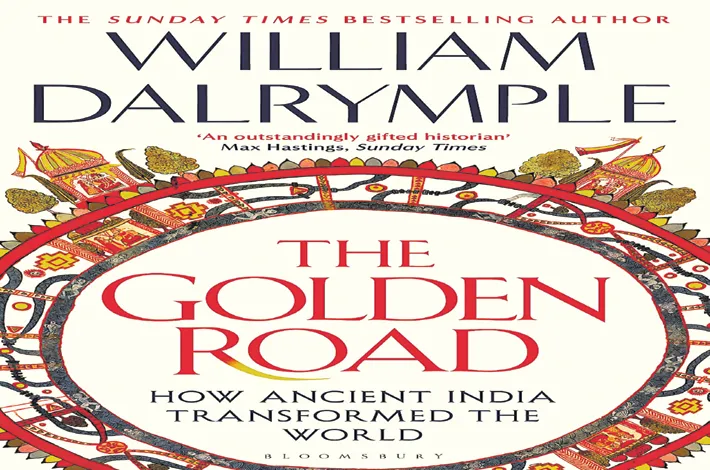
The Golden Road, history at its finest
07-12-2025 12:00:00 AM
Metro India News | Hyderabad
In a world full of quick summaries and short attention spans, William Dalrymple's latest work, The Golden Road, is a huge win. It firmly establishes him as one of the best history storytellers around, delivering an immersive, vividly articulated journey that changes how you perceive the subcontinent's deep history and cultural connections. Dalrymple, honestly, hits it out of the park. His style is the ideal mix of serious history and beautiful writing.
The book is incredibly well-researched—it feels like the final word on the subject—yet the well-articulated prose is still remarkably easy to consume. He has this amazing talent for mixing primary sources, personal stories and anecdotes without making it feel dense or boring. It’s a reading experience that's both eye-opening and deeply informative, shining a light on history’s forgotten corners with clarity and style.
But the real reason this book matters is its potential as a future educational tool. I genuinely think The Golden Road needs to be compulsory reading in high schools across India. Think of it this way: Ramachandra Guha’s seminal’ India After Gandhi’ gives us the necessary political grounding for the modern era. Dalrymple’s work provides the essential deep historical backdrop. Guha shows how the modern nation formed; Dalrymple shows us the ancient and medieval forces that built its character.
Reading both would give young Indian students a holistic, nuanced, and critically aware grasp of their complex identity—that’s the vital foundation for responsible citizenship. The Golden Road isn't just a book; it’s a cultural necessity. It gives an indispensable view of history that works for both the casual reader and the serious scholar. I highly recommend this to anyone who doesn't just want to learn about India's past, but wants to truly get it.
— T Pavan Murthy