9 October, 2026 | 7:21 AM


Basar IIIT beset with pool of problems
28-03-2026 12:00:00 AM
Metro India News | basara
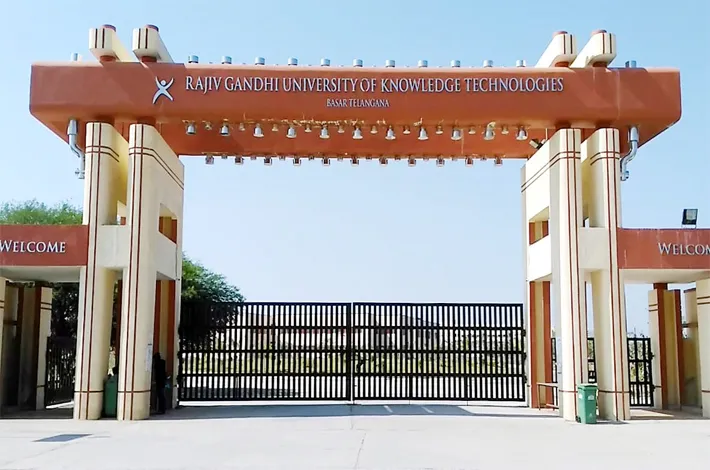
The Rajiv Gandhi University of Knowledge Technologies (RGUKT) at Basar, popularly known as Basar Triple IIT, is now grappling with multiple challenges including acute funding shortages, staff deficiencies, infrastructure decay, and repeated student unrest. Established in 2005, the institution was inaugurated in 2008 with a campus built at a cost of around Rs 750 crore. It aimed to provide integrated six-year Intermediate and B.Tech programs to meritorious rural students who excelled in their 10th standard exams.
The university was meant to match the standards of premier institutions like the IITs and offering courses in Chemical, Civil, Computer Science, Electronics & Communication, Mechanical, Metallurgical & Materials Engineering, among others. A major issue is the dwindling financial support from the government. While the university reportedly requires about Rs 50 crore annually for maintenance, student welfare, laptops, uniforms, digital classrooms, faculty salaries and sanitation, allocations have been far lower — often between Rs 10-20 crore, according to student unions.
Staffing is critically inadequate. The university is supposed to have 40 professors but has only around 19 regular ones, with the rest outsourced. Similarly, out of 40 non-teaching positions, only 18 are regular. The institution enjoyed a good period roughly from 2008 to 2016, when successive governments prioritized funding. During this time, 50-60% of graduates secured placements in government jobs or through competitive exams, and companies visited the campus for recruitment, drawn by student projects. Seat demand was high due to quality education and facilities.
Onset of Troubles Post-2018
Difficulties intensified after 2018, exacerbated by the COVID-19 pandemic, which forced the campus to shift to online classes and disrupted normal operations. Budget priorities shifted, leading to neglect of infrastructure. Issues compounded with in-charge administrators residing outside Basar, lack of monitoring, opaque contract appointments, and mess management lapses.
A flashpoint occurred in August 2022 when hundreds of students fell ill after consuming contaminated food from hostel messes. Reports of insects, cockroaches, frogs, and lizards in meals triggered widespread outrage. Around 300 students were hospitalized in Nizamabad and Bhainsa. Student organizations launched protests demanding cancellation of mess contracts, appointment of a regular Vice-Chancellor, regularization of teaching and non-teaching staff, increased budget, and transparent spending with student involvement.
The BRS government responded by sending ministers, cancelling some contracts, and registering cases against agencies. However, students later alleged that blacklisted contractors continued under changed names. The on-campus health center, staffed by two MBBS doctors, nurses, and ANMs, offers only basic care; serious cases must be referred 30-50 km away to Nirmal or Nizamabad, causing delays and distress. Recent protests in March 2026 followed the death of second-year student Mallipudi Tejaswini from leukaemia, with demands for Rs 50 lakh compensation and upgraded medical infrastructure.
Administrative issues and lack of coordination
Students and unions accuse the administration of opacity in fund utilization, favoritism in appointments, and failure to address grievances. RTI requests for budget details allegedly go unanswered, with allegations of discrepancies running into crores. Coordination between officials and students has eroded, with some leaders alleging negligence by the current Vice-Chancellor Govardhan and staff.
In response, Vice-Chancellor Govardhan has rejected corruption charges, stating that every rupee is spent on student facilities. He emphasized implementing an academic action plan, conducting counseling sessions to prevent suicides, recruiting quality faculty, and seeking government support to fix gaps. He urged students to cooperate rather than protest with “false allegations.”
The 2022 protests put pressure on the then BRS government, with the then minister K.T. Rama Rao visiting, holding meetings, and promising increased budgets, uniforms, and facilities. Some assurances were met, but many remain unfulfilled. Leaders like Revanth Reddy (then opposition) visited the campus dramatically, facing arrests at times.