31 August, 2026 | 10:12 PM


Budget 26- Is it pitching state vs state?
03-02-2026 12:00:08 AM
Tamil Nadu leaders, including from the DMK, highlighted neglect, pointing to no allocations for Chennai Metro expansion, Madurai Metro, Salem airport upgrades, new central universities, or climate change mitigation funds—despite Tamil Nadu's vulnerability to floods
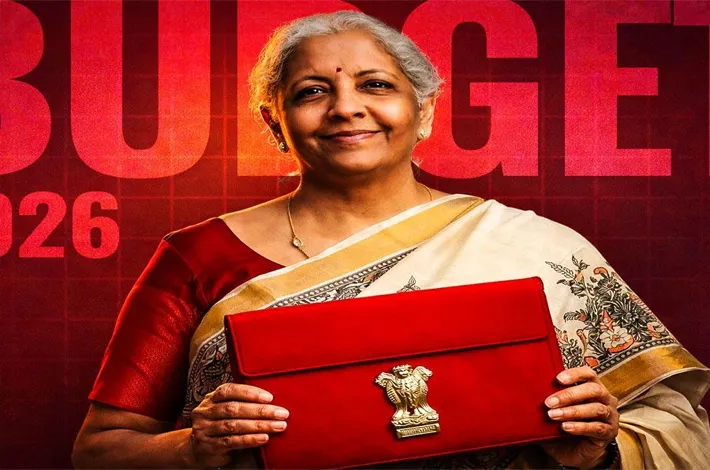
The Union Budget 2026-27,presented by Finance Minister Nirmala Sitharaman on February 1, 2026, has been positioned by the Modi government as a forward-looking blueprint emphasizing action over ambivalence, reform over rhetoric, and people over populism. With a total outlay of approximately Rs 53 lakh crore, the budget prioritizes long-term vision toward a Viksit Bharat by 2047, while maintaining fiscal discipline amid global uncertainties.
Key fiscal parameters include raising public capital expenditure to a record Rs12.2 lakh crore (up from Rs 11.2 lakh crore in the previous year's budget estimates), projecting a fiscal deficit of 4.3% of GDP (down from 4.4% in FY26 revised estimates), and estimating net tax receipts at Rs 28.7 lakh crore. The budget is framed around a three-Kartavya (duty) approach: accelerating and sustaining economic growth through productivity and resilience; fulfilling citizens' aspirations by building capacity; and ensuring inclusive development aligned with Sabka Saath, Sabka Vikas (everyone's support, everyone's progress).
The government described it as a "reform express," focusing on untouched sectors like electronic component manufacturing (with Rs 40,000 crore earmarked), rare earth corridors, animation/visual effects/gaming/comics (targeting 2 million professionals by 2030), National Institutes of Design and Hospitality, and tourism development in temple towns. Initiatives also include high-speed rail corridors, infrastructure in Tier-II/III cities, and measures for MSMEs, agriculture, and emerging technologies.
With assembly elections looming in four states (Tamil Nadu, Kerala, West Bengal, Assam) and one Union Territory (Puducherry), speculation centered on whether the budget would include targeted sops for these poll-bound regions—particularly high-stakes ones like Kerala, West Bengal, and Tamil Nadu, where the BJP seeks gains but does not currently govern. Unlike previous budgets (e.g., Bihar-focused allocations), this one avoided state-specific populism, opting for nationwide, long-term measures.
This approach drew sharp opposition criticism. Congress MP Rahul Gandhi called it "blind to India's real crisis." West Bengal Chief Minister Mamata Banerjee labeled it "garbage," "directionless," and a "Humpty Dumpty budget," alleging no funds for Bengal beyond GST (which she claimed takes away state money) and accusing the center of "big talk" without concrete support.
Tamil Nadu leaders, including from the DMK, highlighted neglect, pointing to no allocations for Chennai Metro expansion, Madurai Metro, Salem airport upgrades, new central universities, or climate change mitigation funds—despite Tamil Nadu's vulnerability to floods (contrasted with Bihar's flood relief allocations). DMK representatives noted Kerala and Tamil Nadu's exclusion from special railway corridors and demanded why developed states contributing heavily to the centre (e.g., Tamil Nadu getting only 29 paise back per rupee) were sidelined, stifling national GDP growth.
Kerala faced similar complaints, with leaders like Shashi Tharoor dubbing it "#InvisibleKerala," citing no mention or financial clarity for projects.
Speaking in a TV debate, a BJP MP defended the budget as "highly pragmatic and balanced," striking equilibrium between growth momentum and fiscal control (deficit dropping to 4.3%). She highlighted initiatives touching "untouched areas" like electronic manufacturing, rare earth corridors (including Tamil Nadu and Kerala), National Institutes, and the animation/gaming sector.
Sarangi stressed Sabka Saath, Sabka Vikas, arguing all states benefit indirectly, and dismissed election-centric criticism as inconsistent—opposition had previously complained about poll-bound favoritism (e.g., Bihar last year). A DMK spokesperson countered that the budget favors the "1%" and super-rich corporates, ignoring unemployment (youth labor participation at ~50%, stagnant wages, rural demand issues). He cited Nobel laureates like Joseph Stiglitz advocating money in poor hands, and lamented short-term neglect ("in the long term, we are all dead").
Specifically for Tamil Nadu, he listed unmet demands: no metro funds for Madurai/Chennai, no airport expansions, no climate mitigation despite flood risks (Bihar got Rs 30,000 crore; Tamil Nadu zero), and low returns on state contributions to the center. A political analyst acknowledged conservative elements but praised fundamentals: 7.5%+ growth, low inflation, capex creating jobs (every Rs 1 crore generates 200-250 man-hours).
He noted benefits for Tamil Nadu via tax-free incentives for data centers/cloud companies (Tamil Nadu hosts many) and opposed STT hikes that rattled markets. Another analyst, pro-Congress one, critiqued the budget's conservatism amid questioned GDP data (IMF concerns), job crisis (youth deprived amid AI/manufacturing shifts), corporate tax subsidies (Rs 10 lakh crore foregone without job boom), and rupee weakness despite global dollar trends.
Critics linked low inflation to high unemployment (no demand), stagnant per capita GDP (lagging Bangladesh), and debt concerns. BJP defended reforms (GST, FTAs), capex momentum, and resilience. As discussions continue— with Rahul Gandhi promising a parliamentary response—the budget reflects a deliberate shift to long-term structural reforms over short-term electoral gains, sparking fierce partisan debate on equity, priorities, and economic reality.