31 August, 2026 | 6:34 PM


Deadline extended for mandatory BIS norms on aluminium cans
26-01-2026 12:00:00 AM
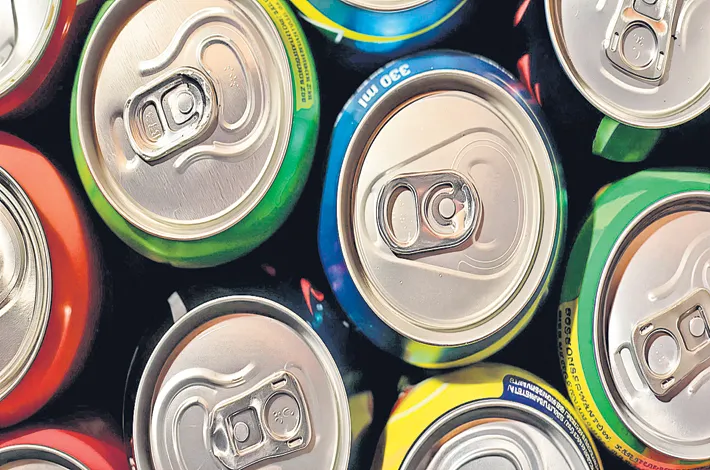
The Centre has extended the deadline for implementing mandatory Bureau of Indian Standards (BIS) certification for aluminium cans used in the food processing and beverage sector, easing concerns of supply disruptions ahead of the peak summer season.
The decision has been welcomed by both alcoholic and non-alcoholic beverage manufacturers, including soft drink makers and beer brewers, who had flagged potential shortages due to limited domestic production capacity. The extension is expected to help bridge the demand-supply gap as companies begin stocking from mid-January to meet rising summer demand.
Under the revised timeline, the Cookware, Utensils and Cans for Foods and Beverages (Quality Control) Order, 2026, will come into force for large units from October 2026, for small units from January 2027, and for micro enterprises from April 2027. The order mandates that aluminium cans must conform to Indian standards and carry the BIS Standard Mark under a valid licence.
Issued by the Department for Promotion of Industry and Internal Trade (DPIIT) on January 15, the extension is also expected to benefit food companies using aluminium cans for premium packaging.
Aluminium cans were brought under mandatory BIS certification from August 2025 to ensure quality compliance. However, the move triggered short-term supply challenges as India continues to depend on imports to meet rising demand. Major suppliers such as Ball Beverage Packaging India and Can-Pack India have already exhausted existing capacity and require at least six to twelve months to commission new manufacturing lines.
The Brewers Association of India said the extension was timely and would prevent a potential crisis for the beverage industry. Its Director General Vinod Giri noted that domestic can capacity is currently short by over 20 per cent and the additional time would allow manufacturers to expand production while temporarily relying on imports.