22 September, 2026 | 1:55 AM


Govt crackdown on obscene OTT content
19-12-2025 12:00:00 AM
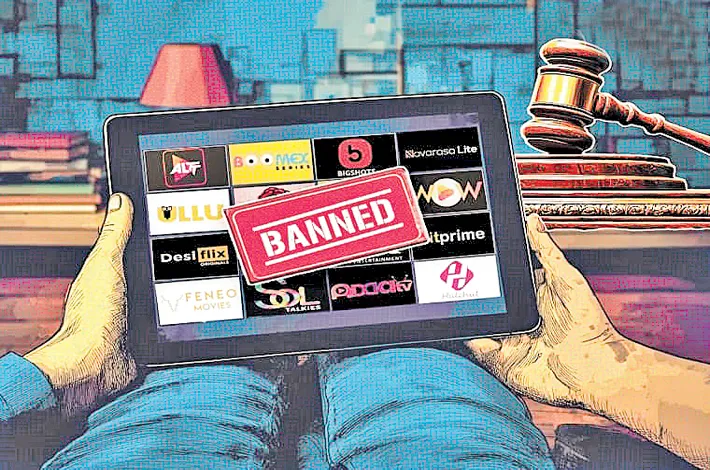
In a move aimed at curbing obscenity and making the internet safe for users, including women and children, the Centre has listed norms, making it mandatory for social media platforms with over 50 lakh users to appoint local officers and publish compliance reports
The production of obscene and vulgar content by multiple OTT platforms is on the rise, with much of it accessible to viewers across all age groups. This trend has prompted firm action from the Central government, which has blocked several OTT platforms and introduced stricter conditions to regulate digital content.
With age-inappropriate material increasingly available to children and young audiences, the Ministry of Information and Broadcasting (MIB) has disabled public access to 43 OTT platforms for displaying obscene content, underscoring the government’s commitment to maintaining a safe, trusted and accountable digital ecosystem.
Several OTT platforms such as ALTT (ALTBalaji) and ULLU were banned in July 2025. Other platforms, including Desiflix, Mojflix, Hitprime, ShowX and Boomex, have been flagged for allegedly producing obscene content without adequate age restrictions. Such platforms are accused of streaming material that violates existing laws and ethical standards. The unchecked availability of such content has raised serious concerns among parents, educators and child safety advocates, particularly as smartphones and digital devices have become easily accessible to minors. The government has repeatedly stressed that content which is obscene, vulgar or unlawful cannot be allowed to circulate freely in the name of digital entertainment.
In July 2025, the Central government banned 25 OTT platforms, including prominent names such as ALTT and ULLU, following allegations that they were hosting obscene, vulgar and pornographic content. This move marked a significant step in the regulation and monitoring of digital streaming services in India. Union Minister of State for Information and Broadcasting L. Murugan informed the Lok Sabha that the government has so far disabled public access to 43 OTT platforms for displaying obscene content. In a written reply in Parliament, he stated that OTT platforms are legally obligated not to transmit any content prohibited under existing laws.
The government’s policy framework aims to ensure that an open, safe, trusted and accountable internet is available to all users, with particular emphasis on protecting women and children. To address the harmful impact of age-inappropriate content on OTT platforms, the Centre notified the Information Technology (Intermediary Guidelines and Digital Media Ethics Code) Rules, 2021, on February 25, 2021, under the Information Technology Act, 2000.
Regulate OTT like films
While films are regulated by the Central Board of Film Certification (CBFC), OTT platforms operate under the IT Rules, 2021, and the associated Code of Ethics. This distinction has created a regulatory gap, as OTT content is not subject to the same rigorous certification process that governs theatrical releases. Unlike films, which must undergo review before public exhibition, OTT platforms can publish content directly to audiences, making enforcement reactive rather than preventive.