9 October, 2026 | 2:12 PM


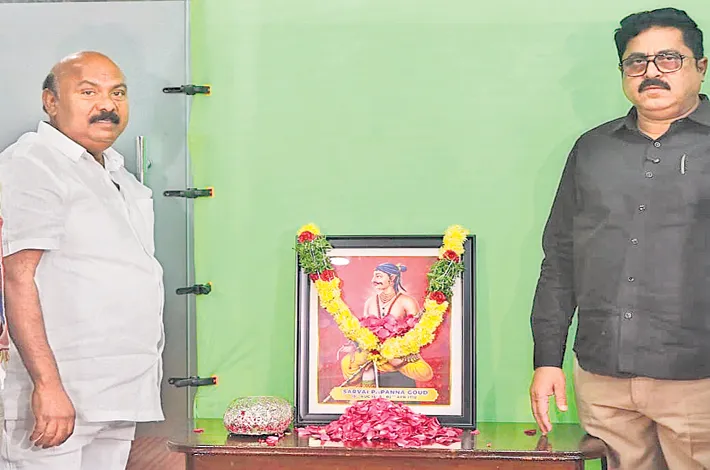
Sarvai Papanna Goud: A role model for bahujan leaders
03-04-2026 12:00:00 AM
Metro India News | Hyderabad
Sarvai Papanna (c. 1650–1710) stands as a powerful historical figure who challenged entrenched systems of exploitation in the Deccan, particularly in the Telangana region during the late 17th and early 18th centuries. Born into a modest Goud (toddy-tapping) family, Papanna rose from conditions of social discrimination and heavy taxation imposed under the prevailing administrative order following the decline of the Golconda Sultanate and the expansion of the Mughal Empire.
Mobilizing peasants, backward classes and marginalized communities, Papanna built a grassroots resistance movement. He established fortified centers such as Khilashapur and exercised control over parts of present-day Warangal and Karimnagar. His struggle was primarily directed against the jagirdari system, where revenue collection and local administration were controlled by intermediaries such as Deshmukhs and Deshpandes. In Telangana, these positions were historically dominated by landed elites, including sections among Reddy and Velama jagirdars, Kaysthas and other administrative groups.
Papanna repeatedly confronted Mughal forces and their local agents, targeting revenue outposts and symbols of authority. After years of sustained resistance, he was eventually captured and killed around 1710. Sarvai Papanna Goud’s legacy must be understood as a people’s resistance against feudal exploitation, struggle for social dignity and economic justice and as an early assertion of inclusive power against monopolization by dominant landed intermediaries. His life continues to inspire Bahujan movements for equity, representation, and justice in Telangana.