19 October, 2026 | 11:52 AM


UGC's equality rules Raises more questions
29-01-2026 12:00:00 AM
The regulations have ignited a firestorm, particularly among general category students and professionals, who argue that they unfairly exclude them from protections against discrimination. Protests have erupted across states like Uttar Pradesh, Bihar, Madhya Pradesh, and Delhi, with demonstrators accusing the Bharatiya Janata Party (BJP) government of betrayal
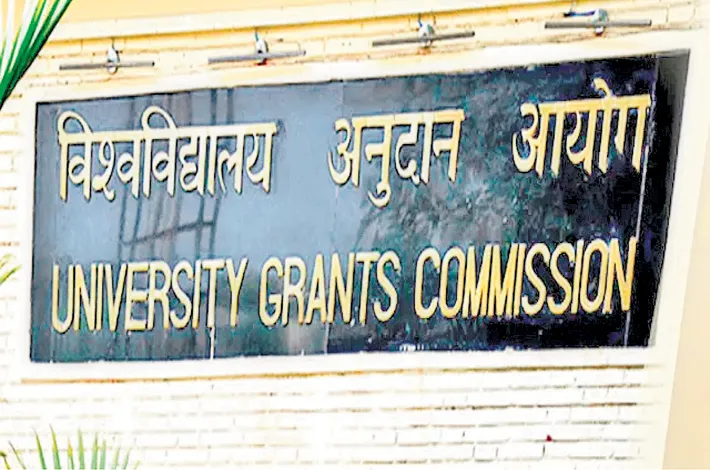
In a move aimed at curbing caste-based discrimination in higher education, the University Grants Commission (UGC) recently notified new regulations that have sparked widespread controversy. These rules, introduced in January 2026, expand the definition of discrimination to include unfair treatment based on caste, tribe, religion, gender, disability, race, or place of birth. Unlike the 2012 guidelines, which were merely advisory, the new version mandates the establishment of anti-discrimination cells in institutions, with heavy penalties for non-compliance. This development follows Supreme Court interventions prompted by petitions from the mothers of Rohith Vemula and Payal Tadvi, two students who died by suicide in 2016 and 2019 due to alleged caste discrimination.
The regulations have ignited a firestorm, particularly among general category students and professionals, who argue that they unfairly exclude them from protections against discrimination. Protests have erupted across states like Uttar Pradesh, Bihar, Madhya Pradesh, and Delhi, with demonstrators accusing the Bharatiya Janata Party (BJP) government of betrayal. In Uttar Pradesh, BJP office bearers have joined the fray, staging mass resignations to pressure the central and state governments to retract the rules.
A notable case includes a city magistrate from the upper caste in Bareilly resigning in protest. Critics contend that the guidelines portray general category individuals solely as potential aggressors, potentially leading to harassment and false complaints without repercussions for the accusers. At the heart of the backlash is the fear that these rules could deepen caste divides on campuses. Protesters highlight the removal of penalties for frivolous complaints, which were present in earlier drafts. To understand the regulations better, they require each higher education institution to set up an Equal Opportunity Cell to handle complaints swiftly.
Complaints must be addressed within 24 hours, with reports submitted to the institution's head within 15 days, and action taken within seven days thereafter. Non-compliance could result in fines, exclusion from UGC schemes, or withdrawal of recognition and funding. The rules cover both direct and indirect discrimination, aiming to create a safer environment for historically marginalized groups. UGC data underscores the urgency: caste bias cases in higher education rose from 173 in 2019-2020 to 378 in 2023-2024, a 118.4% spike, with victims overwhelmingly from underprivileged communities.
Politically, the issue has placed the BJP in a precarious catch-22, especially with Uttar Pradesh assembly elections looming in about a year. Voting patterns from the 2019 and 2024 general elections reveal the party's reliance on upper caste support: BJP's upper caste vote share rose from 46% to 53%, while upper OBC support dipped slightly from 41% to 39%. SC votes for BJP fell from 34% to 31%, and ST votes also declined. In Uttar Pradesh's 2017 and 2022 state polls, Brahmins (52% to 63%) and Thakurs (53% to 60%) heavily backed the BJP, but SC support dropped from 37% to 26%. Rolling back the rules risks alienating OBCs and SCs, while inaction could fuel upper caste resentment.
A former UGC head, acknowledged the need for stricter measures but criticized the rules for potentially creating distrust among students. He emphasized respecting diversity and called for reconsidering the removal of penalties for false complaints, urging the Supreme Court to review it. "The basic aim is to create a campus with no distinction, but this could lead to enormous disaffection," he said. He advocated for academic discussions free from electoral politics and suggested initial orientation programs to foster understanding among diverse students.
Another professor from IGNOU defended the regulations, arguing they promote universal equality and address systemic biases. She highlighted the composition of the equity committees, including institutional heads, faculty, civil society representatives, and students from SC, ST, and OBC categories, to ensure fair representation. He stressed the historical context of atrocities against marginalized groups, noting that amendments could balance concerns without diluting the intent. "We need to ensure representation and prevent atrocities," she asserted, pointing to the rise in reported cases as evidence of ongoing issues.
Responding to concerns about fairness, Dalit activists challenged the assumption of an inherently fair society, stressing the need for affirmative measures to counter deep-rooted inequalities. They pointed to underrepresentation of SC/ST/OBC faculty in institutions like IITs and IIMs, arguing that without diverse educators, empathy for marginalized students remains limited. One activist, a journalist and social observer dismissed fears of compromised aspirations for general students stating that as long as they uphold constitutional values, they have nothing to worry about. He advocated for caste sensitivity training in curricula to promote understanding across backgrounds.
A PhD student from Delhi University representing general category concerns, viewed the regulations as politically motivated and biased. Speaking in Hindi, he argued that discrimination isn't limited to reserved categories—general students can also be victims—and feared misuse through false complaints, drawing parallels to the SC/ST Act. He highlighted the lack of general category representation in equity committees, suggesting it could lead to unfair investigations and deepen campus divides, especially for female students or those from diverse backgrounds.
In conclusion, while the UGC regulations represent a crucial step toward equity in higher education, the protests highlight deep-seated fears of misuse and exclusion. With political stakes high, the issue underscores the challenge of balancing justice for the underprivileged with universal protections, potentially requiring judicial or legislative tweaks to quell the storm.